
10 Revenue-Boosting Liquor Store Diversification Strategies
Liquor store customers now have more ways than ever to quench their thirst, but who’s shopping in this nearly $80 billion industry is changing. Is your business meeting the moment?
One of the best ways to grow a loyal customer base is to offer smart new selections and experiences, carefully picked to meet your shoppers’ evolving needs. If you’re ready to start expanding your liquor store offerings, this guide will kickstart this important new phase for your business.
What You'll Learn In This Blog
- Why diversification matters in your liquor store
- Crafting an effective diversification strategy
- 4 liquor store product ideas to easily expand your selection
- Non-alcoholic liquor store product mix strategies
- Experiential retail ideas to attract more customers
- Exploring revenue streams beyond what’s on your shelf
- Smart marketing strategies that promote your diversification efforts
Why Diversification Matters In Your Liquor Store
Competition is heating up
As liquor store sales rise, so do shoppers’ options. Sales aren’t limited to liquor stores, as many states revise their laws to allow retailers like grocery stores and convenience stores to get in on the action. To name just one example, in 2024, Pennsylvania Bill 688 allowed the sale of ready to drink (RTD) cocktails like hard seltzers at grocers and convenience stores. This is a significant change in a state where liquor sales are state-run.
With more options than ever to shop, store owners need to keep up with what customers expect. Prioritizing product diversification is one of the best ways retailers have to stand out.
More people are drinking less
The number of people who drink recently decreased for the first time in nearly 30 years. Between 2023 and 2024 alone, the number of U.S. adults who enjoy alcoholic beverages slipped from 62% to 58%. This is mainly driven by Gen Z, around 35% of whom share that they don’t imbibe.
At the same time, low-alcohol cocktails, mocktails, and alcohol-free spirits are on the rise, with sales growing 67% from 2022 to 2024. Alternative beverages that include ingredients like THC, CBD, kava, and functional mushrooms are gaining popularity as well. By adding these products to your shelves, you’ll expand your customer base overnight by offering options for the growing number of people who have no interest in buying six-packs.
Market trends: what people want to drink is changing
Beer, wine, and liquor sales decreased in 2024. The only alcoholic category to grow in value was RTDs. These include canned or bottled, pre-mixed drinks like hard seltzers, pre-mixed cocktails, and malt or wine-based beverages. Sales of these products grew 19.5% in 2024, turning this category into a $2.5 billion moneymaker. It’s clear that customers want the convenience of these drinks, and liquor stores stand to benefit if they meet that demand.
Customers expect more than great products
It’s not enough to feature a broad product assortment. Today’s liquor store customers want an experience beyond what’s on your shelves. Whether it’s hosting in-store events or creating a robust rewards program for loyal customers, it takes more than your beverage selection to attract a modern audience.
Crafting An Effective Diversification Strategy
Taking a measured, data-informed approach is key to success. Not every diversification tactic will make sense for your liquor store, and that’s OK. Concrete data helps to illuminate the best path for you to take. To identify the best liquor store diversification strategies for your business, start here:
Conduct market research
If you want to rise above the competition, you need a detailed understanding of the industry landscape. Conducting a market analysis gives you insight into the current trends driving liquor sales growth and what similar shops are doing to stay ahead.
This also illuminates gaps in your own selection and strategy. Are other businesses offering one-of-a-kind experiences that go beyond product selection? Pay attention to successful diversification strategies that get creative.
Secret shop the competition
See what other liquor stores in the area are doing. What’s on their shelves? Do they have exceptional customer service? Do they have in-store events or partner with other local businesses? For example, if you see a certain brand of vodka at every store you visit but your own, it’s time to add that label to your inventory.
Analyze past sales data
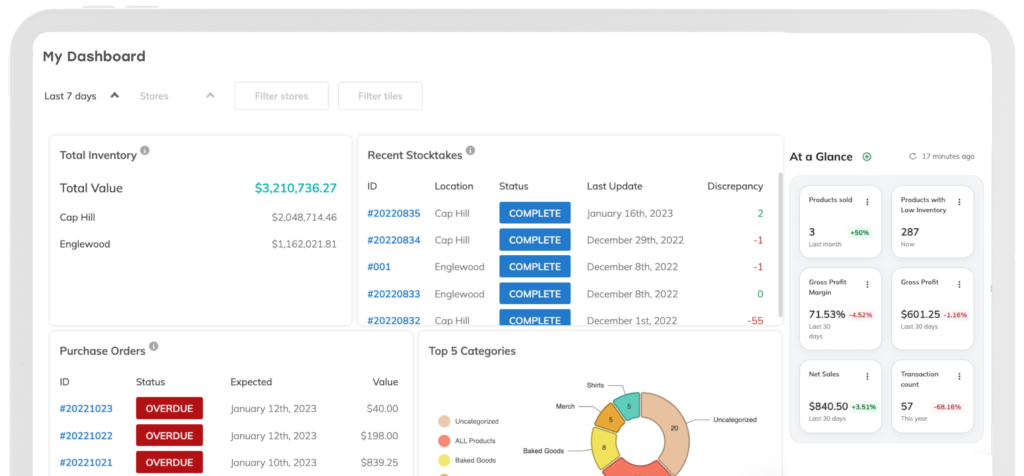
Review sales trends over time to see which of your current selections are hot and which gather dust. This gives you an idea of the types of beverages your customers will gravitate toward. There’s a good chance your inventory management software already makes it easy to track this information.
Create customer segments
Speaking of your audience, better understanding what motivates them will help you craft a diversification strategy that boosts customer satisfaction. One way to segment your audience is to consider their unique needs. Weekly shoppers, for instance, will have different preferences from those who stop in the day before every major holiday. Your point of sale or e-commerce system likely contains all the data you need.
Ask for customer feedback
Knowing what your audience wants ensures that your entire store is carefully curated for a memorable shopping experience. After all, strategic marketing to bring in more customers begins with knowing why they come to your liquor store in the first place.
If you want to know what your customers are craving, go directly to the source. Encourage shoppers to provide direct feedback through methods such as surveys. Train your staff to ask happy customers to fill them out after checking out, or include a link when you email receipts for online purchases. A short chat at checkout reveals a lot, too, so train your staff to encourage customers to share why they stopped into the shop.
4 Liquor Store Product Ideas To Easily Expand Your Selection
1. Turn to specialties and compete with large stores
When competing with other retailers, it’s all about finding the right balance of unique products that align with current demands. Premium spirits and locally brewed beverages, for instance, are booming market segments. Customers are willing to pay more for high-quality ingredients, local businesses, and creativity that comes with these two categories. Boosting your selection of products from regional distilleries and local breweries brings foot traffic from the highly-engaged customer bases for these beverages.
On the flipside, some liquor store owners achieve success by attracting international alcohol enthusiasts, which is a specialty of its own. Imported liquor offers unique flavors that customers won’t find anywhere else. Aficionados will flock to your store at the promise of single malt scotch from the Scottish Highlands. While this isn’t as easy or as cost-effective as a local strategy, if customers are continually looking for imports on your shelves, it’s a sign this strategy is worth exploring.
2. Appeal to health-conscious consumers
Modern customer preferences are increasingly trending toward healthier options. Nearly half of global consumers consider potential health impacts when purchasing alcohol, presenting multiple paths to reaching new audiences. For example, enriched beverages, like hard kombucha with added probiotics, are alluring to customers who want to promote good gut health. Products such as vegan wine or gluten-free beer also open up new revenue streams for customers with dietary restrictions.
3. Add limited-edition seasonal products
Create a sense of urgency while tapping into seasonal festivity. Limited-time-only products are an effective way to drive more people into your store. Plus, customers are often willing to pay more for limited edition items, whether it be pumpkin beers or a special type of sparkling wine in time for the New Year.
You don’t have to restrict your seasonal sales ideas to new beverages, either. Make existing inventory more appealing with holiday-focused edition product bundles or gift baskets. Valentine’s Day picnic baskets or summer-themed cocktail kits will get customers into the spirit as well.
Power Up
Discover our expert-reviewed guide to find the best barcode scanner tailored for your small business needs and streamline your operations today.
4. Offer more than just drinks
Provide customers with a little something to munch on while they enjoy a beverage. Give them inspiration for their upcoming party with treats placed near your liquor store checkout counter. Bar peanuts and pretzels are classics, as well as all the accoutrements for a showstopping charcuterie board.
Bar accessories are another lucrative option for expanding your selection. Give your customers the perfect glassware to go with that drink. Items like cocktail tools and other barware are prime opportunities to increase profits.
Non-Alcoholic Liquor Store Product Mix Strategies
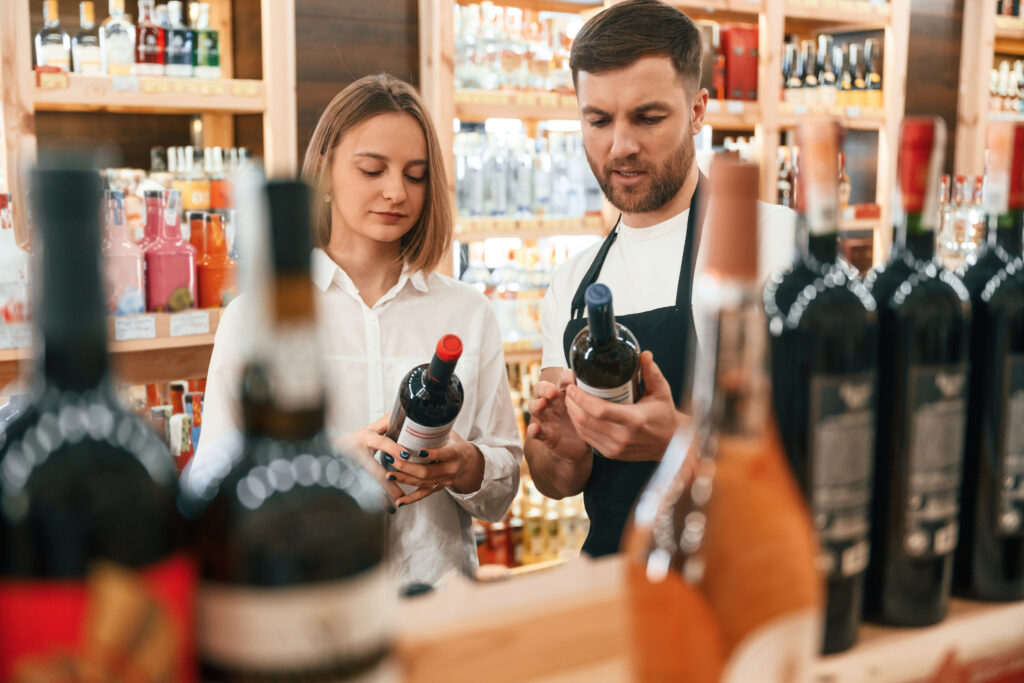
Diversifying your product assortment doesn’t have to be limited to beer, wine, and spirits. Many products that don’t feature alcohol at all help liquor store owners increase sales, including:
- Non-alcoholic beverages: Welcome customers who prefer a sober beverage with all the fun flavors of a cocktail or beer. The non-alcoholic drink category has exploded into an over $1.4 trillion global market. Customers are loving RTD non-alcoholic beverages like phony negronis and virgin spritzes.
- Pre-made mixers: Some customers prefer to make their own cocktails, but don’t quite have mixologist-level skills. Pre-crafted mix flavors let them have an at-home bar experience without any fuss.
- Hemp THC drinks: With the rise in cannabis legalization comes a booming interest in drinks infused with cannabinoids like THC. Many liquor stores are now stocking seltzers, sodas, and teas infused with hemp-derived THC or CBD. Just make sure you’re fully up to date on your state’s laws so you’re fully compliant with all current regulations.
Experiential Retail Ideas To Attract More Customers
Host in-store events to drive foot traffic
Entice potential customers with exclusive experiences among your aisles. If you’ve just added new brands, greet everyone who walks in the door with a sample. Going more elaborate is also an option, such as curated private tastings for shoppers who belong to your customer loyalty program. Your audience will love the chance to try before they buy, while getting the opportunity to ask an expert.
On a similar note, events with an educational component are often a big hit with liquor store customers. Classes or workshops on how to brew your own beer or mix cocktails teach them exciting new skills while they get to know your brand.
Power Up
Learn about seven different ways you can create memorable in-store experiences through product interactions.

Create engaging installations
In-store exhibits are another prime way to attract customers with one-of-a-kind experiences. Community Wine and Spirits’ Looking Glass interactive room is a perfect example. With stunning footage of regional and international vineyards and cellars, customers enjoy an extensive wine tour without traveling to the countryside. The interactive installation responds to user movement for a touch-free experience that lets customers enjoy their tasting while soaking up the virtual scenery.
Set up displays to encourage more purchases
Think about the effect of retail merchandising on the customer experience. From the way bottles line up on the shelf, to the register displays that encourage impulse purchases, to the way you set up the wine next to the cheese and the stemware, the liquor retail experience itself makes shopping enjoyable and fun. These tweaks ensure you’re fostering customer loyalty, because you’re creating an experience that shoppers want to have, all while increasing liquor store sales.
Exploring Revenue Streams Beyond What’s On Your Shelf
Increase delivery and pick-up options
If you haven’t yet expanded to e-commerce, it’s time to start thinking about it. Multichannel selling is one of the best ways to increase alcohol sales and bring convenience to the shopping experience.
Encouraging online sales for in-store pickup is a great place to start. If you don’t have the resources yet for delivery operations, buy online, pickup in-store programs still offer customers flexibility and convenience.
If your local laws allow shipping through the mail or courier delivery, those are great options to explore, too. Feel free to start out with a smaller delivery zone while you work out logistics, and then scale up over time and as you see the service’s impact on liquor store revenue. Check to see if your existing POS integrates with common e-commerce platforms for easy setup.
Tap into the wholesale market
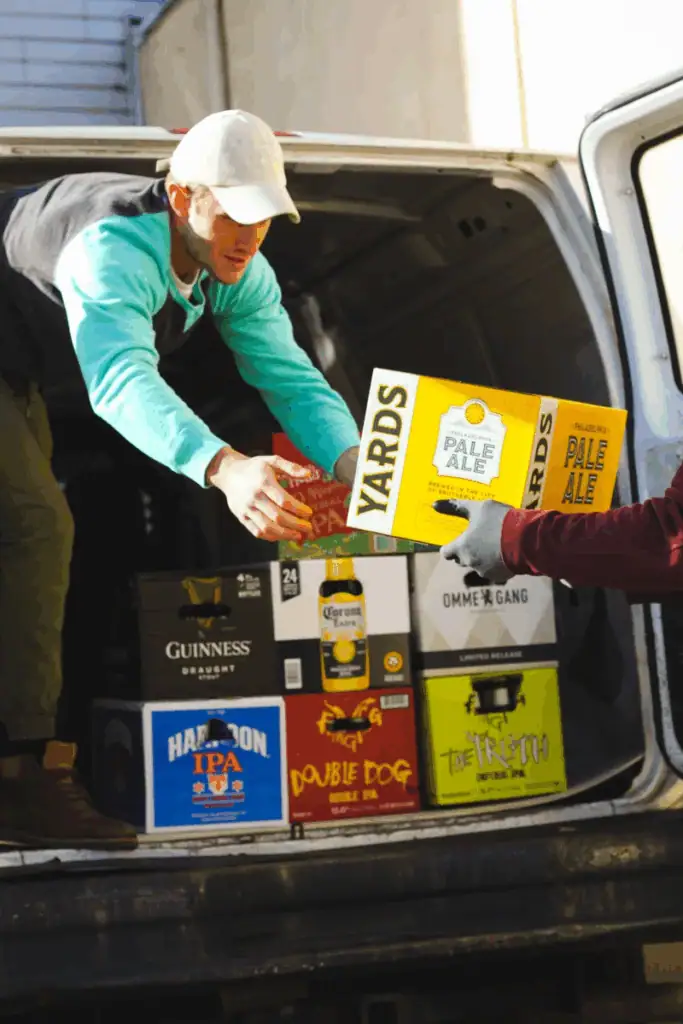
Carve out new liquor store revenue streams by selling to restaurants, bars, caterers, and other high-volume bulk buyers. The wholesale expansion of Philadelphia-based Stone’s Beer & Beverage Market is a great example. When selling their products wholesale to retailers, Stone’s greatest advantage was the fact that the store didn’t operate like traditional wholesalers.
“There’s a ton of competition in wholesale, but we carved out a niche,” said owner Nick Wendowski. “We’re small and nimble. Many wholesalers in our region are big with many brands and limited salesforces. They don’t provide the kind of service we want to provide to small business owners. We focused on bars and restaurants that are small, scrappy, and maybe don’t have the capital or space to buy from bigger wholesalers efficiently.”
Power Up Podcast: Stone's Beer & Beverage Market
Hear how Stone’s Beer & Beverage Market grew their wholesale business from 0 to 150 accounts in two years to offset the loss in business during construction.
Partner with other businesses
One of the most effective strategies for boosting sales is to collaborate with other entrepreneurs in your neighborhood. You’ll get exposure to a whole new audience while finding fun new ways to connect with your shoppers and reinforce your liquor store’s brand image.
Local food vendor collaborations are the perfect recipe for an exciting event, but don’t be afraid to think outside the box. For instance, Bonsai Bar is a pop-up series that brings together botanists and beer lovers, with classes for all levels on the art of bonsai maintenance.
Power Up
Small businesses who team up together, increase their opportunities for success. Here are 8 ways you can collaborate with your neighbors.
Launch a private label brand
If your customers are craving flavors that no existing brand offers, create your own. Private label liquor store brands have a ton of potential to drive sales growth. You also have the added advantage of offering your products at a lower price point, since you’re controlling the distribution that adds to the cost of other products.
Like any product diversification strategy, starting a private label takes careful planning and research. In addition to getting extensive data on your customer preferences, do a deep dive into the most cost-effective manufacturing partners who will bring your private label idea to life.

Smart Marketing Strategies That Promote Your Diversification Efforts
Lean into your “why”
In a competitive market, you need to give reasons for shoppers to come to you and not to the liquor store down the street. Lean into your product assortment as a way to encourage customers to choose you. Do you want to be known for your craft beer or craft spirits selection, or the shop that carries the latest liquor industry trends? Tie that into your digital marketing and retail marketing.
Develop targeted marketing campaigns
While you want to reach a larger audience, you won’t be the top choice for every shopper in the world, but that shouldn’t be your goal anyway. Tailor your marketing efforts to speak to the people who are most likely to shop at your liquor store. Focus on craft beers for those enthusiasts. Create messaging that highlights your hard seltzers as you shift product selection to match those consumer preferences. No matter who you’re talking to, tailored marketing strategies speak directly to the people who are most likely to choose you.
Maximize your social media
Use Instagram, TikTok, and other platforms to help increase your liquor store’s visibility. Highlight the in-store experience by showing what it’s like on the shelves or behind the scenes. If you need to boost sales of a particular product category, use social media to give people ideas on how to use the products. Social media advertising may be a good idea as well, depending on your goals and who you want to reach. Just make sure your efforts are legally compliant and that you’re targeting customers of legal drinking age.
Invest in local SEO and AI search
Those looking to find liquor stores near them, those with late hours, or those who carry a specific brand of craft spirits or THC seltzers turn to Google and other search engines. This makes local SEO one of the key strategies to increase foot traffic, especially as consumer preferences evolve to look for specific, trending, and specialty products. Make sure that you’re using these platforms effectively by managing an optimized website, taking advantage of features like Google Business Profile, and making ties between your store and the local community.
Proper optimization is also pivotal for top placement in AI search results with the rise of Google AI overviews and platforms like ChatGPT. This goes beyond best practices for your own website. Getting featured in external sources is also important. AI crawlers are looking for unique, authoritative content that answers users’ specific search queries. The more your liquor store business is mentioned in third-party content, the more AI algorithms will recognize your business as an authority.
Follow up on the most effective marketing strategies
What’s working and what’s not? Don’t throw money at solutions that don’t contribute to liquor store profitability. Take time to set goals and measure key performance indicators (KPIs) that tell you which marketing strategies have the best return on investment (ROI). Don’t be scared to try new things. Just make sure you have a plan for whichever digital marketing, event marketing, or similar strategy you want to try.
Automate Your Liquor Store With Thrive Inventory
Thrive Inventory has a suite of liquor store inventory management tools from smart order fulfillment to multi-channel syncing to audit logs.
Successful Liquor Store Diversification Grows Your Revenue
When it comes to product diversification, liquor store owners have almost as many options as their potential customers have beverage choices. Start off on the right foot with detailed market and sales data before you test the waters. As you scale your diversification efforts, customers will begin to recognize just how much your liquor store has to offer. With the right strategies, you’ll have the tools you need to increase sales and build a brand reputation that leaves customers thirsty for more.
The Newsletter For Small Businesses
Weekly expert insights, industry trends, and inspiring stories designed to help you run your business with confidence.
The Only Inventory System That Actually Helps You Run A Healthy Business
Thousands of customers all over the world use Thrive Inventory to run a healthy business.
Thrive Inventory gives you control over all your inventory, sales channels, and metrics, allowing you to make the right decisions at the right time.
Keep Reading


The Newsletter For Small Businesses
Weekly expert insights, industry trends, and inspiring stories designed to help you run your business with confidence.
Try Thrive Inventory For Free
Add Thrive to your business and maximize your potential. With powerful and easy-to-use products,
it’s time to take control of your business and see what you can do with Thrive.