

How To Successfully Partner With Alcohol Distributors: A Guide For Liquor Stores
As a liquor store owner, your top priority is to keep your shelves stocked with customer favorites. It all starts with forming partnerships with responsive and resourceful vendors. Having the best vendors in your corner is the difference between keeping shoppers happy and losing out to your competitor on the other side of town. So, how do you know if a vendor is the right fit for your liquor supply needs?
What You'll Learn In This Blog
- Understanding supplier management for liquor stores
- Regulatory compliance for liquor stores working with distributors
- Liquor store supplier options: Distributors vs. Direct Vendors
- How to partner with a distributor
- The importance of strong liquor vendor relationships
- Step 1: How to identify the right alcohol distribution partners
- Tips for establishing positive distributor relationships
- Step 2: Negotiation tactics for maximizing liquor store margins
- Step 3: Leveraging inventory management software for vendors
- Step 4: How to measure vendor success
- When to reconsider or terminate a vendor relationship
Understanding Supplier Management For Liquor Stores
The best alcohol brands make it from their headquarters to your shelves through a three-tier system of suppliers, distributors, and retailers. Suppliers are responsible for producing the alcohol that retailers, such as grocery stores or your liquor store, sell to their loyal customers.
This system has been in place for more than 90 years as a way to level the playing field and prevent monopolies after the end of Prohibition in the U.S. However, the system has not adapted well to the modern-day market, complicating online sales and making it hard to sell to national retail chains like other goods that aren’t as heavily regulated.
Unless your liquor store is buying directly from those doing the brewing or distilling, you’ll need to work with an alcohol distributor. In this industry, liquor retailers rely on distributors to act as a bridge between their store and alcohol manufacturers. If you want to maintain a top-notch selection of alcoholic beverages, prioritize vendors that are both able to meet your inventory needs and align with your store’s brand values and target market.
Regulatory Compliance For Liquor Stores Working With Distributors
Federal regulations and permit requirements
Alcohol distributors are subject to multiple rules at the federal, state, and local level. The Federal Alcohol Administration Act (FAAA), enforced by the Alcohol and Tobacco Tax and Trade Bureau (TTB), requires all liquor producers and wholesalers to obtain a federal permit. If a licensed distributor wants to purchase alcohol from a manufacturer, that producer must also hold an FAAA-compliant permit.
As a retailer in the three-tier system, you’re also required to adhere to FAAA regulations. This includes purchasing only from federally licensed wholesalers. You must also maintain detailed inventory and sales records, which are subject to inspection by Alcohol and Tobacco Tax and Trade officers. The rules apply to both small liquor stores and larger retailers.
State liquor compliance operates on either a control or non-control license model. In non-control states like New York, wholesalers and retailers simply apply for licenses that allow them to produce, distribute, or sell alcoholic beverages. Licensed vendors and retailers are then regulated similarly to other private businesses. In control model states like Minnesota, regulatory agencies are set up to manage wholesale, and sometimes retail, alcohol sales.
How regulatory issues impact vendor relationships
Many of these nuanced regulations are designed to benefit you as the retailer. The three-tier system was partially crafted to ensure fair competition and prevent supplier monopolies. With multiple distributors to choose from, for example, your liquor store has a leg up when it comes to negotiating prices.
State regulatory compliance is where navigating regulations is most tricky, especially when it comes to navigating supplier relationships. In states where direct vendor sales are prohibited, working with distributors as your sole suppliers is a necessity.
How to manage ongoing regulatory changes
Regulatory guidance is constantly changing. The TTB, for example, proposed additional labeling requirements for suppliers in early 2025 to include allergen information. Staying on top of updated laws means staying plugged into news from these regulatory bodies. In addition to regularly checking for new regulations from the TTB, keep an eye on the state and municipal agencies, such as liquor control boards, that regulate alcohol sales in your area.
Maintaining a strong network is another important strategy for staying in the loop on regulatory changes. In addition to your vendor relationships, liquor store trade associations, such as American Beverage Licensees, are great resources when it comes to staying informed on all things compliance.

Liquor Store Supplier Options: Distributors Vs. Direct Vendors
Buying through distributors
Liquor distributors are an essential part of the alcohol regulatory framework. They’re licensed, both federally and by the states they operate in, to buy from manufacturers and sell to retailers. They also pay state and local taxes on suppliers’ behalf, assuming a significant regulatory compliance burden for their clients.
Your distribution partners offer valuable insight into the current market, often acting as brand ambassadors for the products they carry. Their product portfolios include hundreds or thousands of SKUs. If you want to know which hot new brand of tequila you should carry, your distributor is likely the first place you’ll check.
Some distributors specialize in one type of alcohol, such as beer or wine. For instance, Anheuser-Busch is one of the largest nationwide beer distributors, carrying household brands like Budweiser, along with more specialized craft brands like Kona Big Wave.
If you’re managing multiple liquor distributors, consider streamlining the process by working with specialized vendors for each alcohol type. You’ll get access to a wealth of knowledge and a first look at the latest new brands coming to market.
Connecting with specialized distributors is essentially the same process as partnering with any other supplier. It’s all about researching partners with a beverage portfolio that fits your target customer’s needs.
Buying through direct vendors
If you choose to buy from the alcohol manufacturers, having a direct relationship with the brands comes with its advantages. For instance, some direct vendors offer more competitive pricing than large distributors. This happens most frequently with smaller producers who manufacture in smaller batches, giving your customers select access to an exclusively local product.
Collaborating with a neighborhood brewery that doesn’t require significant transportation costs means savings opportunities for you both. Plus, you’ll get the chance to ask the expert when you have product questions, such as how a beer brand ages its hops.
The downside is that working directly with vendors comes with its own intricate web of regulatory challenges. Not all states allow manufacturers to sell their products without a distributor. In some cases, even when direct liquor sales are permitted, there are strict volume limitations. This means potential issues for liquor stores trying to maintain adequate stock levels.
How To Partner With A Distributor
Finding the right distribution partner requires casting a wide net. Diligent research is key to narrowing down your list. You want a partner that meets all of your needs, from the beverages you want to stock to your ideal schedule.
One of the best ways to get exposure to distributors in your market is through good old fashioned networking. Join industry associations to get access to exclusive networking events and the chance to connect with the best distributors.
Reaching out to distributors directly is always an option, as well. Once you’ve got a handful of potential partners ready, be ready with a strong pitch for your liquor store. Think about the target market you serve and bring relevant sales data into the conversation, so distributors know you’re offering real value through collaboration.

The Importance Of Strong Liquor Vendor Relationships
Healthy liquor store vendor management is pivotal to long-term success and sustainable growth. Whether you’re working directly with suppliers or maintaining traditional liquor store distributor relationships, building these connections benefits your business in the following ways:
- Promote transparency: The more openly and frequently you communicate with your vendors, the more they’ll reciprocate the favor. Keeping an open line of communication is essential to streamlining every aspect of the distribution process, from a consistent delivery schedule to faster lead times.
- Get the most bang for your buck: A strong vendor relationship makes it much easier to secure favorable contract rates. If you’ve been a loyal, longtime customer, your liquor store is in a better position to negotiate.
- Effectively manage your supply chain: Liquor stores with solid vendor communication are much better equipped to weather potential supply chain disruptions. If you’ve established a good flow of communication, your suppliers are more likely to alert you of challenges while you’ve got time to explore alternatives.
- Stay ahead of the competition: Know what’s in demand before your competitors. Your vendors always have their fingers on the pulse of the market. When they trust you as a business partner, they’re happy to share that insider knowledge.

Step 1: How To Identify The Right Alcohol Distribution Partners
Finding distributors with affordable prices is just the start of practicing good liquor store vendor management. When researching potential suppliers, focus on their:
- Product category knowledge: Let’s say your wine store wants to add a new beaujolais blend. Is your distributor able to accurately explain how the production process of Maison Louis Jadot differs from the winemaking of Bouchard Père et Fils? Your customers will be asking these same questions, and it’s your distributor’s job to empower their retailers with that information.
- Experience in your regulatory market: How well-versed are your distributors in local state, and federal alcohol sales laws? You want to partner with suppliers who fully understand the complex regulatory environment you’re operating in.
- Ability to meet your logistical needs: It doesn’t matter if they have the best product selection in the world if your order won’t be delivered on time. Make sure you fully understand your supplier’s lead time requirements and order minimums, and confirm that their delivery schedule fits with your inventory needs.
- Alignment with your brand mission: How deeply does your potential distributor understand your consumer base? You want to partner with vendors that know your target audience and have a solid grasp of your brand values. That way, when hiccups arise, you’ll both be prepared to change course. If, for instance, your consumers’ favorite brand of IPA is out of stock, your suppliers will know which alternatives to recommend until this customer favorite craft beer replenishes.
Power Up
The right vendor and sales rep should open doors to growth and diversification opportunities. Learn about 10 ways to expand your offering.
Tips For Establishing Positive Distributor Relationships
Set clear terms in your contract
Solidify your partnership with a detailed vendor agreement. Your contract should set expectations for delivery dates, pricing, and payment terms. It’s also wise to include required steps for resolving any disputes, such as late deliveries. Have an attorney thoroughly review the agreement before signing.
Make sure there’s room to review and reevaluate quarterly or annually. If business is booming and you’d like to expand on your recurring order, there should be a process in place to negotiate rates for larger purchases.
Kick off with an in-person meeting
Start on the right foot with a face-to-face conversation about your collaboration and shared goals. This makes it easier to organically brainstorm your vision for the relationship going forward. Think about promotional activities, events, and other collaborative opportunities with your distributor’s featured brands, and how those activations bring curious customers to your shop.
Craft a communication plan
Set a regular cadence for touching base with your distributors. Schedule recurring meetings for check-ins to ensure things are going smoothly and flag issues before they go awry. During these calls, you’ll also have the chance to learn about emerging trends in different alcohol categories from well-connected distributors.
Step 2: Negotiation Tactics For Maximizing Liquor Store Margins
Use data to negotiate favorable terms
The first step to successful vendor contract negotiation for liquor businesses is to come prepared and ready with cold hard facts. Your own sales data is key to negotiating a better rate. The better you forecast future sales, the more accurate of a quote you’ll get from a distributor.
Start with utilizing your inventory and POS systems to determine customer preferences and sales trends over time, so you have a more accurate picture of the stock levels you need from season to season. This will also give you a better sense of which high-selling products should be purchased in bulk for discounted pricing.
Know their competition
It pays to shop around. Get quotes from multiple suppliers before committing to a vendor. When you come to the table armed with extensive cost research, vendors are more inclined to match, or even beat, the lowest price point.
Commit to a long-term contract
Locking in a longer contract gives your liquor store a better chance at the best pricing possible. If distribution partners know they’re able to count on your business for the long haul, they’re more likely to offer the most favorable rates. And as an added bonus, a three-year contract means you won’t have to worry about price increases in the short-term, as you would with only a year-long agreement.

Step 3: Leveraging Inventory Management Software For Vendors
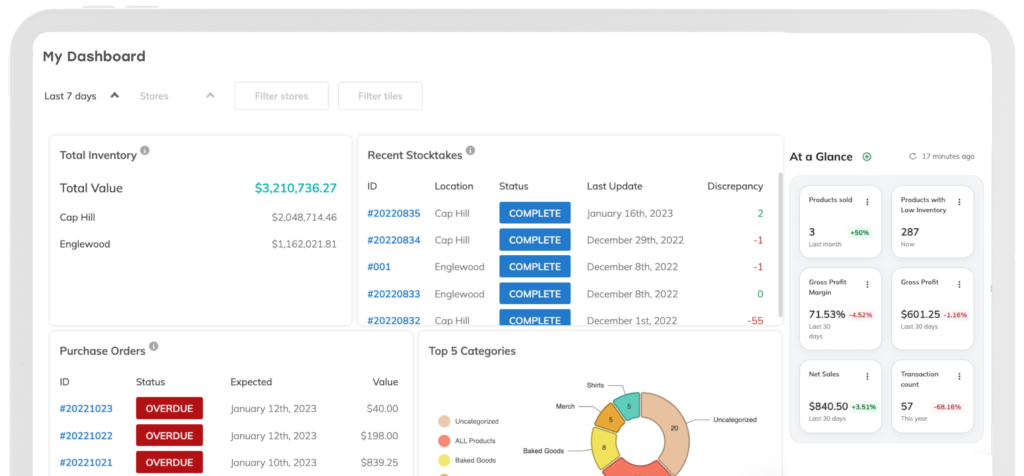
Keeping track of who supplies what, when orders are due, and how each rep performs can quickly become a juggling act. That’s where an inventory management system like Thrive Inventory comes into play for your business. The right software does more than track stock; it transforms your vendor management process from reactive to proactive by giving you the data you need to make informed decisions.
Power Up
For a deeper dive into how inventory technology streamlines vendor coordination and decision-making, check out our guide: A Complete Guide to Inventory Management.
Organize vendor data efficiently and track performance
The right inventory management system keeps all your vendor information in one centralized dashboard, eliminating spreadsheets and paper invoices. From contact details to preferred purchase terms, you can view and update each vendor’s profile in seconds.
This organized structure also lets you quickly see which distributors are your most profitable partners, and which ones might be underperforming. The right inventory management software will give you an extra layer of control when partnering with sales reps, and the confidence to negotiate contract terms.
Automate purchase orders and stock levels
Manual ordering isn’t a good use of your team; it’s time-consuming and prone to errors. By automating purchase orders, your software ensures you never miss a restock deadline. Set reorder points based on current demand, and the system will automatically add them to your next PO when inventory falls below a set threshold.
On the flipside, you also don’t want your shelves too full. While you want to maintain a broad product assortment, overstocking and SKU overflow has its own set of pitfalls. Strong communication is again your first line of defense against surplus inventory levels. Stay on top of your sales data so you’re able to adjust shipments quickly as necessary.
Manage multiple vendors and locations
Flexibility and balance are essential to good liquor vendor management. Rotating multiple vendors, for instance, has its advantages. If one distributor is running low on a popular stout, you’ll have the option of approaching another distributor and asking for a similar product so you don’t run out of stock.
If your liquor store operates in more than one location or works with several distributors, an inventory management platform provides a consolidated view of your entire supply chain. You can compare vendor performance, balance stock levels across stores, and forecast which products to prioritize based on real-time sales analytics.
Try Vendor Management For Liquor Stores
Ready to take control of your vendor relationships? Sign up for a free trial of Thrive Inventory’s liquor store vendor management system and see how effortless supplier coordination can be.
Step 4: How To Measure Vendor Success
It’s not just about how well your meetings go or how friendly your sales rep is. Evaluate your vendor relationship based on clearly defined key performance indicators. The most important metrics to determine success include:
Delivery accuracy: Does your distributor consistently arrive on time with complete orders in tow?
Fulfillment speed: How long does it take to receive your order after purchase?
Sales contribution: How much revenue has a distributor helped your business earn? This metric calculates the revenue earned from a specific product, after accounting for variable costs

When To Reconsider Or Terminate A Vendor Relationship
Vendor relationships ultimately need to benefit your business. If you’re tracking the above KPIs and they’re falling short, it’s time to revisit the partnership before renewing your contract.
Aside from egregious mishaps like compliance or contract violations, sometimes a partnership just isn’t the right fit. Perhaps their product selection is failing to sell, or you’re realizing their prices are higher than you’re able to afford. In some cases, your business is growing faster than your vendors have the capacity to support.
If you plan to terminate a distributor or direct vendor relationship, approach the conversation with the same level of professionalism you started with. Clearly and tactfully communicate why you are moving on, thank them for their service, and end things on a positive note so the door is open for restarting the relationship if and when it makes sense in the future.
Better Inventory Management Solutions For Liquor Stores
Simplify how you track stock, orders, and vendors. Try Thrive Inventory’s liquor store inventory management system for free and keep your shelves stocked with confidence.
Liquor Store Inventory Management Success Relies On Solid Vendor Partnerships
Whether you’re working with distributors or navigating the direct vendor space, these relationships are foundational to your business’s prosperity. Choose partners that align with your brand mission, know your target audience, and demonstrate transparent communication. If they’re the right fit, your shared partnership will age over time like a fine wine.
The Newsletter For Small Businesses
Weekly expert insights, industry trends, and inspiring stories designed to help you run your business with confidence.
The Only Inventory System That Actually Helps You Run A Healthy Business
Thousands of customers all over the world use Thrive Inventory to run a healthy business.
Thrive Inventory gives you control over all your inventory, sales channels, and metrics, allowing you to make the right decisions at the right time.
Keep Reading




The Newsletter For Small Businesses
Weekly expert insights, industry trends, and inspiring stories designed to help you run your business with confidence.
Try Thrive Inventory For Free
Add Thrive to your business and maximize your potential. With powerful and easy-to-use products,
it’s time to take control of your business and see what you can do with Thrive.