
16 Trends That Will Shape The Small Business Landscape in 2026
What’s going to drive growth in 2026? From technological innovations to value-centered strategies, the trends shaping the year ahead are being driven by evolutions in consumer behavior. If your small business wants to keep up, knowing what lies ahead is essential. Read ahead for a complete guide to the trends to watch in 2026, so your business is well-equipped to swim with the changing tide.
What You'll Learn In This Blog
Consumer Trends To Watch
1. Shoppers are holding back on spending
Many shoppers are going into 2026 concerned about their finances, even though spending was up across all economic brackets in 2025, particularly among higher-income households. Between inflation and a tighter job market, though, economic uncertainty continues its tight grip on consumer spending.
To appeal to a cost-conscious customer base, increase the number of lower-cost items in your mix. If you offer products at a range of pricing tiers, you give your customer base budget-friendly options without losing out on the growing number of wealthier consumers who are still spending big.
2. The demand continues for sustainably-made products
Shoppers want to buy from brands that have a net positive impact on the world. Gen Z values sustainability so much that as many as 73% are happy to pay more for environmentally-friendly products. If reaching new shoppers is in your sights this year, sustainability must be a part of your business model.
Yes, customers want products made from less wasteful materials in better-for-the-environment packaging. But it goes beyond the products sitting on the shelf. These consumers expect their favorite brands to practice sustainability in most aspects of their daily operations, too.
Consider small actions to reduce your impact on the environment, like auditing your energy consumption or installing solar panels on your property. As you take on more sustainability initiatives, make sure to share them with your audience. Include materials about your efforts on social media, in your email newsletter, or even in-store.
3. Gen Z is a growing audience for private labels
Speaking of Gen Z, they’re the driving force behind a rise in private label purchases. Their generation is expected to surpass all other age groups in 2026 when it comes to spending on private label consumer goods. As Gen Z consumers increasingly compare prices across brands in the face of economic pressures, they’re turning to private labels to get the most value for their dollar. If exploring private label options is on your agenda, 2026 is the year to take the idea seriously.
Customer Experience Trends For Brick-And-Mortar Businesses
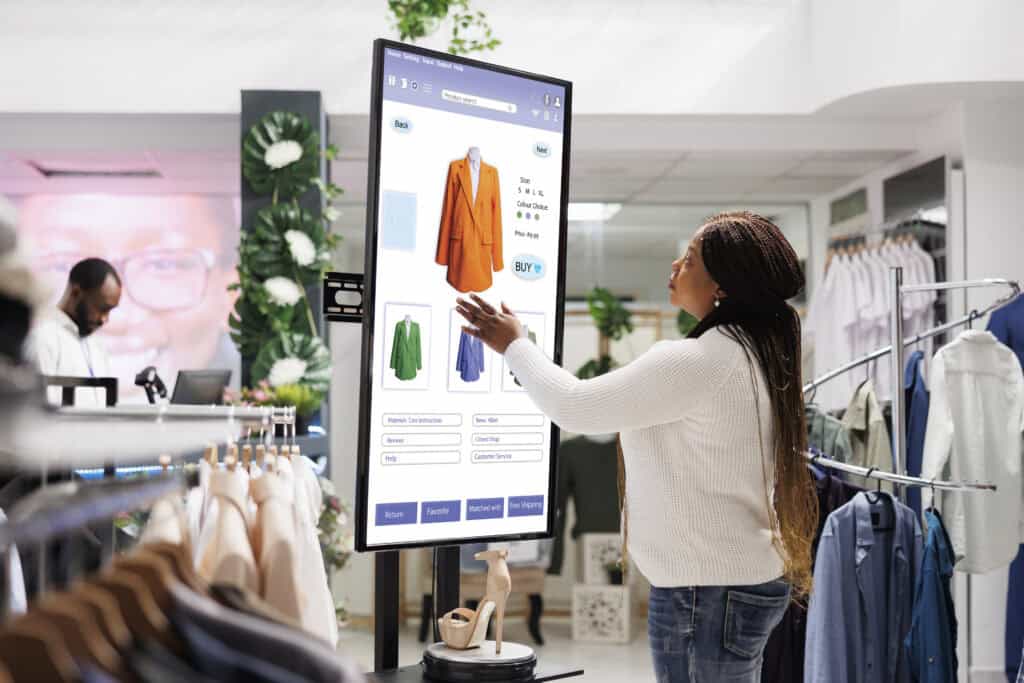
4. Consumers want immersive in-store experiences
Customer experience is going to be the north star for successful brick-and-mortar brands in 2026. Businesses that get creative when connecting with their customers have the best chance of boosting brand loyalty in the coming year. Plus, consumers are more than willing to travel if it means an enriching shopping experience they can’t get at home.
Product interactions like Community Wine and Spirits’ The Looking Glass exhibition are a perfect example of how to educate your customers in a novel way. With The Looking Glass, shoppers navigate through a floor-to-ceiling curved screen using natural body movements, no tapping involved. The exhibit takes users to multiple wine-producing regions, where they learn more about the vineyard. There’s no way to replicate that kind of immersive educational experience at home.
Power Up
Want to know the secret to getting customers to pull out their phones and promote your brand for free? Find out how product interactions drive social media engagement and customer loyalty.
5. Display design blends digital and physical spaces
Expect to see a rise in more thoughtfully curated in-store displays in the new year. With so many brands trying to grab shoppers’ attention, retail displays are moving beyond shelves and acrylic risers and into more interactive, immersive, and memorable experiences. Think Instagram-worthy displays, embedded QR codes that take patrons to online reviews, or product recommendation quizzes your shoppers take while standing right there in your shop. Let your imagination guide you.
6. More shoppers want mobile checkout options
Small businesses that offer more payment options at checkout have a better chance at growing their sales in the new year. By 2026, digital wallet activity is expected to reach 5.3 billion users globally. Gen Z especially loves to shop with their phone, with 91% using digital wallets as their primary form of payment.
If your business’s point-of-sale software isn’t equipped to support digital wallet purchases, it’s worth looking into platforms that do. While researching options, look for POS platforms that support mobile checkout so your shoppers don’t have to wait in line to check out at a single register.

E-Commerce Trends Every Business Should Consider
7. Shoppers expect more conversion-driving personalization
What’s the key to motivating an interested customer to follow through on a purchase? Speaking to them directly. According to McKinsey, 65% of consumers are more likely to convert if promotions are targeted directly to them. For e-commerce businesses that want to succeed in 2026, delivering an individualized shopping experience is non-negotiable.
The key to getting there is investing in a strong data management platform that gives you the insights you need for better targeting. From customer engagement on your social channels to past buying history, all of this information paints a picture of the unique shopping experience your audience is seeking.
If a customer only buys retinol products from your skincare shop, for example, personalization ensures they get exclusive offers for those products and not for other items they’re highly unlikely to buy. This reduces clutter in your shoppers’ inbox and increases conversions.
8. Social commerce continues to rise
Grow your revenue without making customers leave their favorite apps. With social commerce, your audience buys directly from your social media shop. This retail trend has blossomed into a $100 billion industry and a particularly fruitful sales channel for fashion brands. When future customers see the perfect dress for their next party while scrolling, social commerce minimizes the steps to making that final sale.
TikTok is the best place to start exploring social commerce, especially if you own a boutique or a clothing brand. The video-based app’s TikTok Shop produced $26 billion in global gross merchandise volume in the first half of 2025 alone. Experiment with adding your favorite new finds to TikTok Shop and see how this tool affects your sales.
Power Up
Our social commerce guide breaks down Facebook, Instagram, TikTok, Pinterest, YouTube, and LinkedIn so you can focus your efforts where they’ll pay off most.

Omnichannel Trends For Every Business To Follow
9. Prioritize brand consistency across integrated channels
When you think of household-name big brands, one thing remains true no matter what product they sell: they practice consistency across every place they show up online and in person.
In 2026, small businesses that want to build a strong brand will need to follow their example. A cohesive voice and visuals help customers recognize your company everywhere they find you.
For maximum impact, your physical presence needs to match what customers see online. This helps set and manage expectations as they step into your shop. Take time to make sure your logo, company details, and mission are consistent across all customer touchpoints, from TikTok to your signage to the community newspaper.
10. Uniting physical and digital spaces with hybrid shopping experiences
Small businesses that treat their storefront and e-commerce store not as separate entities, but equally important touchpoints on the customer journey, will see the most growth in 2026.
Customers want the human connection that comes with shopping in-store without sacrificing the perks of online buying. In many cases, they’ll browse in-store before completing their purchase online, and in others, they want to see more options to buy online and pick up in store (BOPIS). This avenue is great for customers and your bottom line. Stores that adopt a BOPIS strategy experience 30% more in-store traffic and a 25% boost in impulse purchases from those who order ahead for pickup.
Marketing Trends To Build Better Audience Relationships
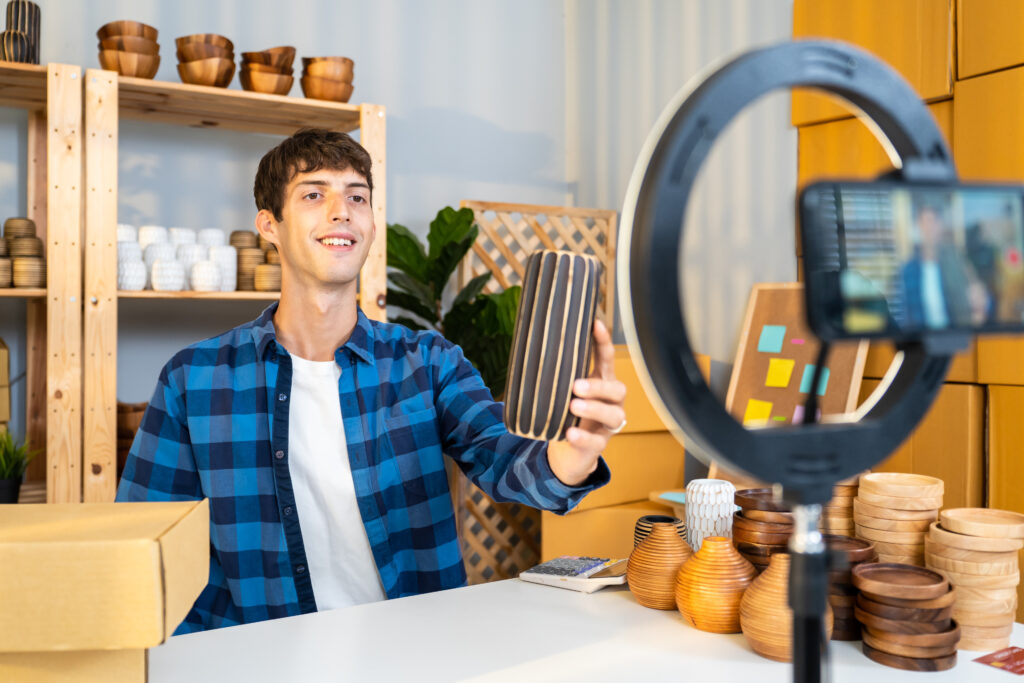
11. User-generated content continues to drive growth
Nothing sells your brand better than your existing customers. User-generated content (UGC)’s role in building relationships between customers and retailers will be central to successful marketing in 2026.
Nearly 80% of shoppers already say UGC influences their purchase decisions, whether that’s photos on your Google Business Profile listing from real shoppers or a video from a local content creator. That kind of social proof builds trust and helps encourage lurkers to become customers.
The more your business encourages UGC creation, the better chance you have at reaching your audience with the help of your most trusted advocates. Even simply reminding customers to leave a product review makes an impact.
12. Brands need to optimize their online presence beyond traditional search
The way people search online is diversifying, and Google is far from the only place your audience discovers brands like yours. The rise of voice, AI-powered, and visual search tools are reshaping how shoppers learn about products and how they decide to make a purchase. In 2026, here’s how to make sure your brand ends up in the results, wherever your audience is searching.
- Optimize across platforms for better voice search results: 30% of internet users already turn to devices like Alexa and Siri when they have a question. One of the best ways to improve your rankings in voice search results is to make sure you’re optimizing across search engines. The more platforms that feature your brand, the more likely voice assistant algorithms are to recognize you as an authoritative voice in your industry.
- Keep content short and sweet for LLM rankings: As we head into 2026, businesses are navigating the wild west that is LLM search. While there’s still much unknown in the LLM realm, there are small steps worth taking to improve your rankings on platforms like ChatGPT. Prioritize concise content that clearly answers common search queries and make sure everything is easy to scan. Like with SEO strategies of the past, showcasing value in a digestible format is key.
- Prioritize your Product Schema Markup: Ensuring that your website’s product section has the proper schema markup makes it easier for visual search platforms to discover your brand. This embedded data highlights essential product information like price and reviews, so potential customers see everything they need when you land in their search engine rankings. If you’re not sure how your website holds up, it’s simple to validate your product schema.
- Optimize across platforms for better voice search results: 30% of internet users already turn to devices like Alexa and Siri when they have a question. One of the best ways to improve your rankings in voice search results is to make sure you’re optimizing across search engines. The more platforms that feature your brand, the more likely voice assistant algorithms are to recognize you as an authoritative voice in your industry.
13. Investing in local SEO will be essential
It doesn’t matter if your search engine rankings are high if they’re reaching people hours away from your small business. Focusing on local SEO best practices is a must for small businesses that want to grow right in their own community. Keywords that reflect local searches are a must, as is making sure your information is accurate and up to date across all of your channels. A restaurant that leaves an outdated menu up on their Google Business Profile increases their chance of unhappy customers when they want to order something you no longer serve.

AI Trends That Will Define The New Year
14. AI will upgrade back-office operations
The age of AI-powered automation means fewer manual tasks and vastly increased productivity when it comes to your back-office operations. AI tools will streamline financial areas like budget planning and expense management, while helping your business plan ahead with more efficient forecasting. You’ll also have the opportunity for better risk management, as AI tools get increasingly better at fraud detection.
The good news is that adopting AI into your back-office workflows doesn’t have to be a hefty upfront investment. Many platforms are integrating AI into their existing software suites, such as automated calendar functions for easier scheduling. Check to see if your existing software has AI tools you’re not yet utilizing.
Let AI Handle New Product Creation
Thrive Inventory’s AI Assist tool auto-creates new products and vendors in minutes that instantly sync to your POS and e-commerce sales channel.
15. AI tools improve customer service efficiency
Many of the top AI tools for small businesses are designed to create a more seamless customer experience for companies and their audience alike. In 2026, AI infrastructure for customer service will go beyond passive support through tools such as AI chatbots. This year is going to be all about proactive support, using AI to predict issues before they occur or comb through data for recurring themes to solve before they become bigger problems. These tools are expected to do a lot of heavy lifting in the inventory management space, especially. AI inventory agents will help teams by continuously identifying trends so you’re able to plan ahead to avoid over or understocking.
Power Up
Stop wasting 40% of your workday on repetitive tasks. Discover 11 AI tools that automate the busywork so you can focus on growing your business instead.
16. AI will refine customer targeting
Segmenting your audience has never been easier than with AI-powered marketing tools. From behavior analysis to purchase history, the AI tools take a look at customer engagement beyond simple demographic data. Let’s say a liquor store wants to send one email to its regular customers, and another to less frequent seasonal shoppers. AI-powered segmentation makes it easy to get the message right for each group.
Consumer Behavior Sets The Stage For 2026
As you prepare to incorporate the range of trends impending in the new year, it’s important to keep one thing in mind. All of these changes are driven by evolving consumer attitudes. If you’re unsure of which trends to follow and which aren’t a good fit for your business, go back to what matters most to your target audience. After all, they’re the ones who will be impacted most by your brand’s strategy.
The Newsletter For Small Businesses
Weekly expert insights, industry trends, and inspiring stories designed to help you run your business with confidence.
The Only Inventory System That Actually Helps You Run A Healthy Business
Thousands of customers all over the world use Thrive Inventory to run a healthy business.
Thrive Inventory gives you control over all your inventory, sales channels, and metrics, allowing you to make the right decisions at the right time.
Keep Reading



The Newsletter For Small Businesses
Weekly expert insights, industry trends, and inspiring stories designed to help you run your business with confidence.
Try Thrive Inventory For Free
Add Thrive to your business and maximize your potential. With powerful and easy-to-use products,
it’s time to take control of your business and see what you can do with Thrive.