
Grow Your Liquor Store In 2026 With These 9 Marketing Ideas
It’s not enough to simply stock your store with the best beer, wine, or liquor on the market. Your messaging needs to reach the customers you want browsing your shelves. After all, shoppers won’t learn about your shop if you don’t tell them about it, and you won’t boost liquor store sales without more customers. That’s where the right marketing strategies come in.
Successful liquor store marketing takes a multi-faceted approach. With the right tools, you’ll grow your audience, boost revenue, and build a brand narrative that resonates with craft beer lovers, wine drinkers, and cocktail (or mocktail) aficionados.
What You'll Learn In This Blog
- 1. Know your customers and learn how to speak to them
- 2. Prioritize brand consistency
- 3. Nail your local search optimization and online listings
- 4. Build a high-converting website and online catalog
- 5. Curate the right liquor store social media strategy
- 6. Marketing trends to build better budience relationships
- 7. Create memorable in-store experiences and local events
- 8. Launch a simple but powerful customer loyalty program
- 9. Partner with other local businesses
1. Know Your Customers And Learn How To Speak To Them
There are a range of reasons why a shopper comes to your business, and it’s your job to speak to their many different needs. While every individual customer is unique, it helps to organize your messaging into a few specific customer segments, including:
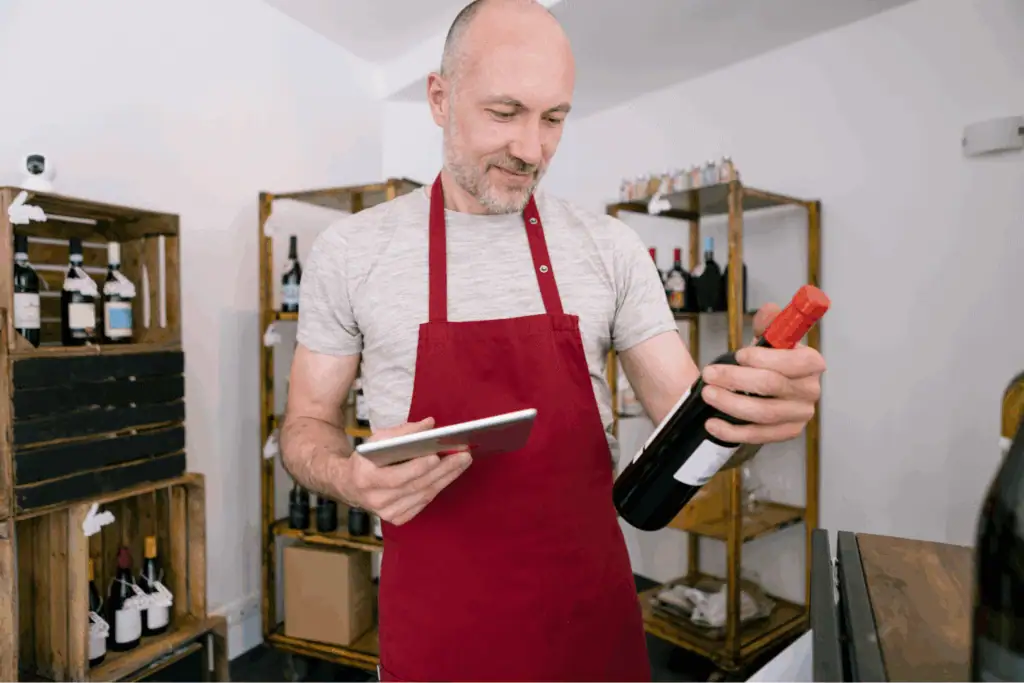
- Regular shoppers: Do you have visitors who come after work every Friday? Your goal with this faithful audience is to drive repeat business. They’re a prime target for special discounts and loyalty rewards programs. Make them feel extra special and send an offer on the anniversary of their first purchase with your business.
- Party goers and gift givers: Some liquor store customers only shop when they need something to celebrate a special occasion. This group is perfect to reach out to for Fourth of July beer cases or tequila on Cinco de Mayo.
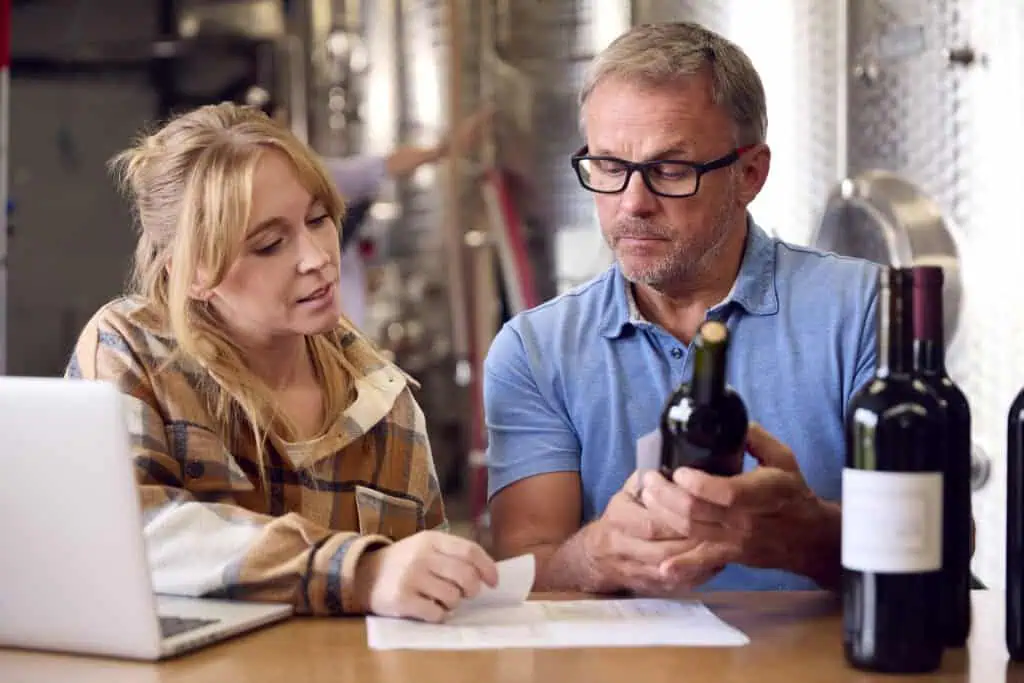
- Liquor enthusiasts: For the customer who truly appreciates the art of distilling, you’ll want to take a tailored approach that honors their special interest. Whether it’s highlighting the best local craft beers or your latest imported whiskey, this audience wants to hear the story behind the product and why it deserves space on their bar. Make sure these customers get an email when this brand lands on your shelf.
- Convenience-driven buyers: This segment wants the fastest, easiest shopping experience possible. They’re looking for a good price on something they can buy quickly. They’re the perfect group to get a text about buying online and picking up in store (BOPIS), so they can grab and go in no time at all.
2. Prioritize Brand Consistency
From your storefront to your digital channels, maintaining a uniform brand presence is essential. It’s not just about integrating your brand colors and logo, either. Every aspect of your business communicates your brand narrative and helps customers recognize your liquor store as truly yours. You want to showcase a polished, professional image everywhere your business is found.
Some places to focus on include:
- Branding on all exterior signs: Help potential customers recognize your shop from afar. Don’t forget about sprucing up the in-store displays in your windows, sandwich boards outside your entrance, or roadside signs, too.
- Correct information on digital channels: Did you recently update your hours or add a new location? Make sure this information is up-to-date on your website, all social channels, and online listings like Google Business Profile and Yelp.
- Design an approachable storefront: Promote an easy and appealing shopping experience. Customers want well-lit aisles, easy to navigate selection, and clear signage that separates the French bubbly from the California wines.
- Create engaging shelf-talkers: The signs within your store are vital for communicating important information about your products. Shelf talkers or shelf wobblers are digital signs that allow you to highlight special offers and new products. It’s a great way to draw attention to that new tequila that just arrived in your store. Use shelf-talkers to highlight a staff favorite or a high online rating.
- Branding on all exterior signs: Help potential customers recognize your shop from afar. Don’t forget about sprucing up the in-store displays in your windows, sandwich boards outside your entrance, or roadside signs, too.
Power Up
If your logo is the only part of your brand you’ve really defined, this quick guide will walk you through the must-have pieces of a memorable, professional brand identity.
3. Nail Your Local Search Optimization And Online Listings
Optimize your Google Business Profile
Your Google Business Profile (GBP) is often the first place future customers find your business, and it plays a huge role in your search engine rankings. Your GBP should be fully filled out and it’s vital that all information, especially your phone number, address, and hours, are completely accurate. Don’t forget to upload photos of your most popular products, show the store aisles, and even take a video of the lot so visitors know where to park. Customers who know what to expect are more likely to have a better first-time in-person shopping experience.
Be intentional with keywords
When developing your SEO content strategy, don’t focus on vague terms like “wine store” or “craft beer.” That’s an easy way to ensure your business will get lost among the competition. Targeting local and intent-rich keywords, however, is one of the most effective ways to attract nearby customers. Keywords like “Craft beer delivery in Cincinnati” or “Liquor store in Andersonville, Chicago” are going to make a far greater impact in drawing in the customers who are actually in your neighborhood.
4. Build A High-Converting Website And Online Catalog
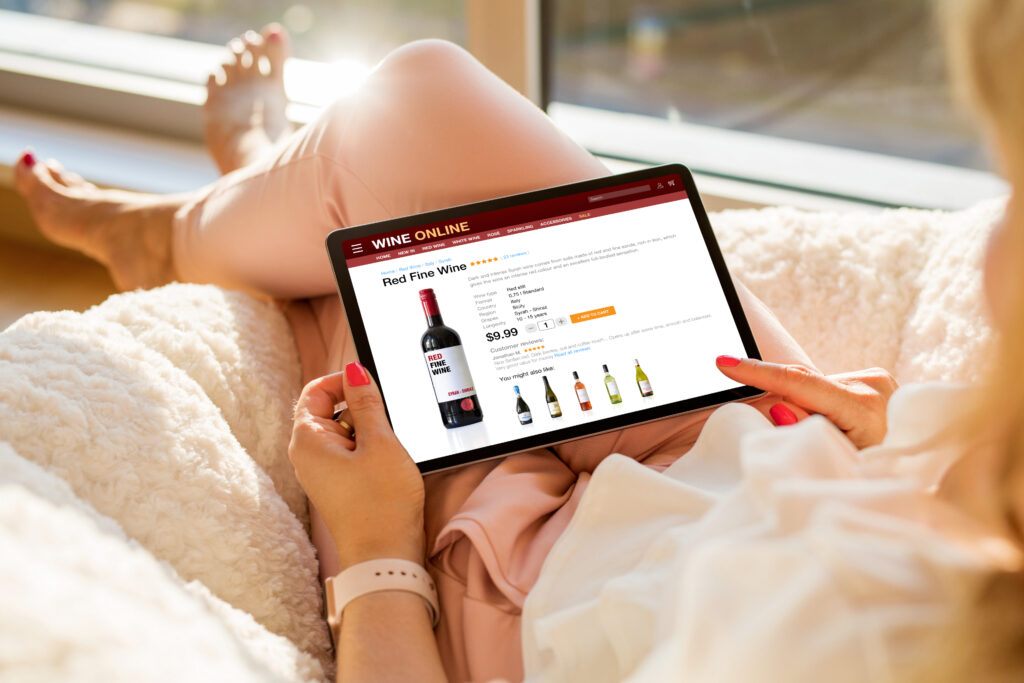
Properly organizing your digital aisles is just as important as how you arrange the physical ones in your storefront. Make sure the experience for your online shoppers is just as smooth. An easy-to-browse, mobile-friendly website with clear click paths is a prime way to boost revenue for your e-commerce store.
Categorize your products so shoppers find what they need with ease. It’s also worth adding a section that highlights your latest and greatest products and promotions. A “staff picks” or “what’s new” category is perfect for the shopper who needs some help making up their mind.
Automate Your Liquor Store With Thrive Inventory
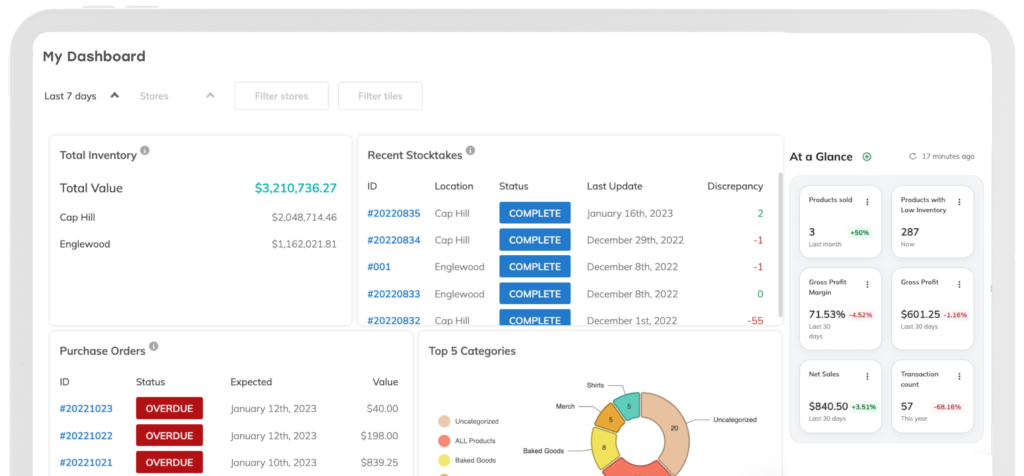
Thrive Inventory has a suite of liquor store inventory management tools from smart order fulfillment to multi-channel syncing to audit logs.
5. Curate The Right Liquor Store Social Media Strategy
Choose the right platforms for your audience
Not every social media channel is the best one for your liquor store. Analyze customer demographics to figure out where your core audience is scrolling. Platforms like Facebook are great for local regulars, while younger, visually-driven shoppers tend to hang out on TikTok and Instagram.
Focus on relevant content pillars
A thoughtful social media strategy is key to building a strong brand. Your social channels are more than a means to promote your store. They’re also a vehicle for demonstrating your liquor industry expertise.
If you’ve got new products arriving soon, promote them with fun cocktail recipes. Customers also love to get a peek behind the scenes. Ask your lead buyer to share how and why they choose the brands on the shelf and share that with your audience. Plus, if you create enough buzz about your store, you have a better chance of seeing organic user-generated content, which helps new customers discover your shop. There’s no better marketing than a post from your most loyal customer about how much they love the Pilsner your staff directed them to buy.
Be aware of alcohol marketing regulations
When marketing your liquor store, keep regulations from local authorities and platform-specific restrictions in mind. Social media advertising is no different. Before you start posting, get familiar with all the guidance around marketing alcohol to the public.
For instance, it’s important to make sure your liquor store content isn’t targeting viewers who are under the legal drinking age. In addition to any federal and state laws around promotion, it’s also smart to see if the platform you’re using has its own set of requirements, too. Just as you want your customers to drink responsibly, you’ll want to do the same when promoting your brand.
6. Marketing Trends To Build Better Audience Relationships
Craft a data-driven email marketing strategy
You can’t properly target your various audience segments without the right customer sales data. Integrate ways to collect contact information, such as asking for emails on your website by offering access to exclusive deals at checkout. Once they start engaging (or not), you’ll get even more insight into their behavior and customer preferences. If open rates are lagging with a particular audience segment, you’ll know it’s time to try something new to get their attention.
Power Up
Turn your customer list into a revenue engine with 8 must-send emails that boost engagement, build trust, and keep shoppers coming back.
Encourage engagement through your owned channels
Small business emails aren’t a one-way street when it comes to engaging with your customers. Open the lines of communication and use your email and text campaigns to encourage user feedback and reviews. This shows your audience that you value their opinion, while giving you the information you need to see what’s truly working. If you get multiple Google reviews about how much people love your latest smoky mezcal, that’s a great product to feature in the customer favorites section of your next newsletter.
7. Create Memorable In-Store Experiences And Local Events
Attract customers with engaging events and interactions
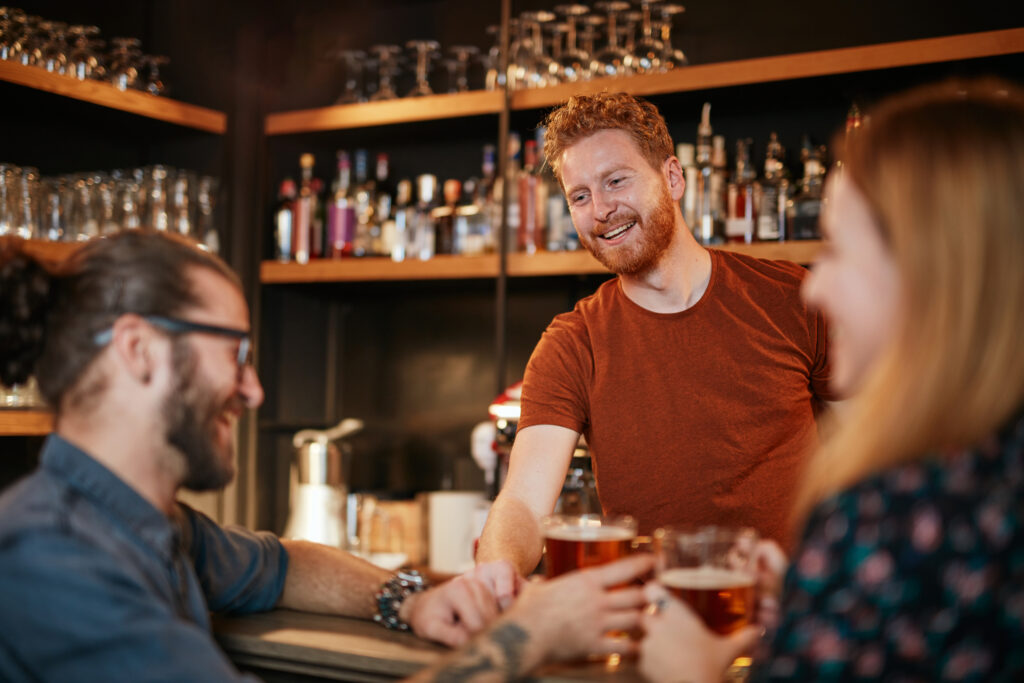
Exciting events bring in customers that would have otherwise walked right on by. A tasting or flight night offers the perfect opportunity for new shoppers to try out your selection. Keep one eye on the calendar while planning in-store events; a Valentine’s Day champagne toast will be a hit for couples looking for a fun way to kick off their plans. Your new audience will get to have fun while learning why your brand is the expert for all things beer, wine, or liquor.
Curating unforgettable in-store experiences doesn’t have to be a one-time event, either. Brands like Community Wine and Spirits give customers the chance to have a fun new adventure any time with permanent in-store installations. Their Looking Glass exhibit takes customers around the world to various vineyards without ever having to leave the store.
Power Up
Steal these proven experiential retail tactics to give customers a reason to visit in person, stay longer, and share your store on social media.
Promote your event effectively
Every one of your marketing avenues provides an opportunity to promote your upcoming event. Create teaser clips that your audience will want to share on social media and add signage in your store so regulars know to stop by on event day. Your email newsletter also plays a part in maximizing turnout, and don’t forget to see what local listings are available for even better reach.
Spreading the message as far and wide as possible is key. Just be sure that all of your promotional strategies and materials are compliant with all regulations.

8. Launch A Simple But Powerful Customer Loyalty Program
Reward repeat customers with a loyalty program that provides true value. Just like with the rest of your liquor store marketing strategies, build your plan on a foundation of strong customer data. Your point of sale (POS) system is a great place to start. Keep track of what customers are regularly putting in their carts so you can time in-store promotions appropriately. When you’re ready to drop your latest flavor of bourbon, your customer loyalty program members should be first in line for an exclusive discount.
When designing a loyalty program that yields results, these are some of the most common models:
- Points for recurring purchases: Let shoppers accumulate punch-card style points for every purchase they make. Offer one big prize or deal when they reach a certain number, or create a tiered program with levels of rewards. Provide a 25% discount when customers hit 100 points, for example. Entice even more repeat buying with a special gift for shoppers who collect 1,000 points.
- Milestone rewards: Help your favorite customers celebrate special occasions. Their birthday is the perfect time to send an offer for a limited-time discount.
- Referral programs: Encourage your audience to spread the word about your business. Return the favor with a deal or gift for every new customer they bring in.
- Monthly clubs: Wine and beer-of-the-month clubs are ideal for driving repeat business while expanding the tastes of your regulars. Club members will love getting the chance to try something new every month.
Customize customer loyalty programs to increase sales
This is also a great time to consider tailoring marketing efforts to individual shoppers. Use customers’ purchase history to send custom offers or extend invitations to in store promotions and events. Someone who only wants wine likely won’t want to go to a beer tasting. These kinds of marketing campaigns drive sales because it delivers content your shoppers actually want to read.
Power Up
Ready to upgrade from dusty punch cards to a loyalty program customers actually use? Start with these small business–friendly tactics.
Track loyalty program performance
As time goes on, see which loyalty tactics drive sales growth and which don’t have the impact you want them to have. Customer loyalty programs are living, breathing, and flexible, so don’t hesitate to make tweaks as the year goes on.
Some areas to examine include:
- Analyze how new customers and existing customers compare
- Evaluate the most effective marketing campaigns and which tactics drove the most sales
- See which campaigns drove the most customer visits

9. Partner With Other Local Businesses
Expanding your network isn’t just about attracting new customers. Other businesses make great allies, and collaborating on special promotions is the perfect way to build connections, enhance customer engagement, and boost sales. Collaborate with other restaurants and food service businesses on local events that draw in crowds. If you have the space, why not bring in a favorite local food truck for an unforgettable parking lot party?
It doesn’t have to be exclusively food and beverage partnerships, either. Stone’s Beer Market in Philadelphia is proof that the sky’s the limit when it comes to successful collaborations. The brewery worked with Philly Bike Tours on out-of-this-world events, along with regularly donating profits to the nonprofit Legacy of Hope. The right partnership goes beyond growing your business, showing your local community exactly what your business values.
The Power Up Podcast: Stone’s Beer & Beverage Market
Hear how Stone’s Beer & Beverage Market grew their wholesale business from 0 to 150 accounts in two years to offset the loss in business during construction.
Liquor Store Marketing Success Takes A 360-Degree View
As you’re first starting out, there’s no one marketing channel more important for your business than another. They all play a pivotal role in getting your liquor store brand name out there. Over time, you’ll see what vibes with your audience, and that will point you in the right direction as you grow your marketing program.
If you want to expand your customer base and increase liquor store sales revenue, a holistic approach is non-negotiable. Use sales data to help you target your messaging and choose content that truly fits your brand image. With a thoughtful marketing approach, customers will gladly drink to your efforts.
The Newsletter For Small Businesses
Weekly expert insights, industry trends, and inspiring stories designed to help you run your business with confidence.
The Only Inventory System That Actually Helps You Run A Healthy Business
Thousands of customers all over the world use Thrive Inventory to run a healthy business.
Thrive Inventory gives you control over all your inventory, sales channels, and metrics, allowing you to make the right decisions at the right time.
Keep Reading


The Newsletter For Small Businesses
Weekly expert insights, industry trends, and inspiring stories designed to help you run your business with confidence.
Try Thrive Inventory For Free
Add Thrive to your business and maximize your potential. With powerful and easy-to-use products,
it’s time to take control of your business and see what you can do with Thrive.